Exoskeleton for Walking: Choose the Right Class
A decision path that separates recreational walking assistance from medical mobility devices, then checks fit, terrain, controls and support.

Research standard: this guide draws on primary records, technical documentation and documented field experience. Volatile facts such as price, availability and firmware are reviewed on a dated schedule.
First decide which question you are asking
| Need | Relevant path | Do not assume |
|---|---|---|
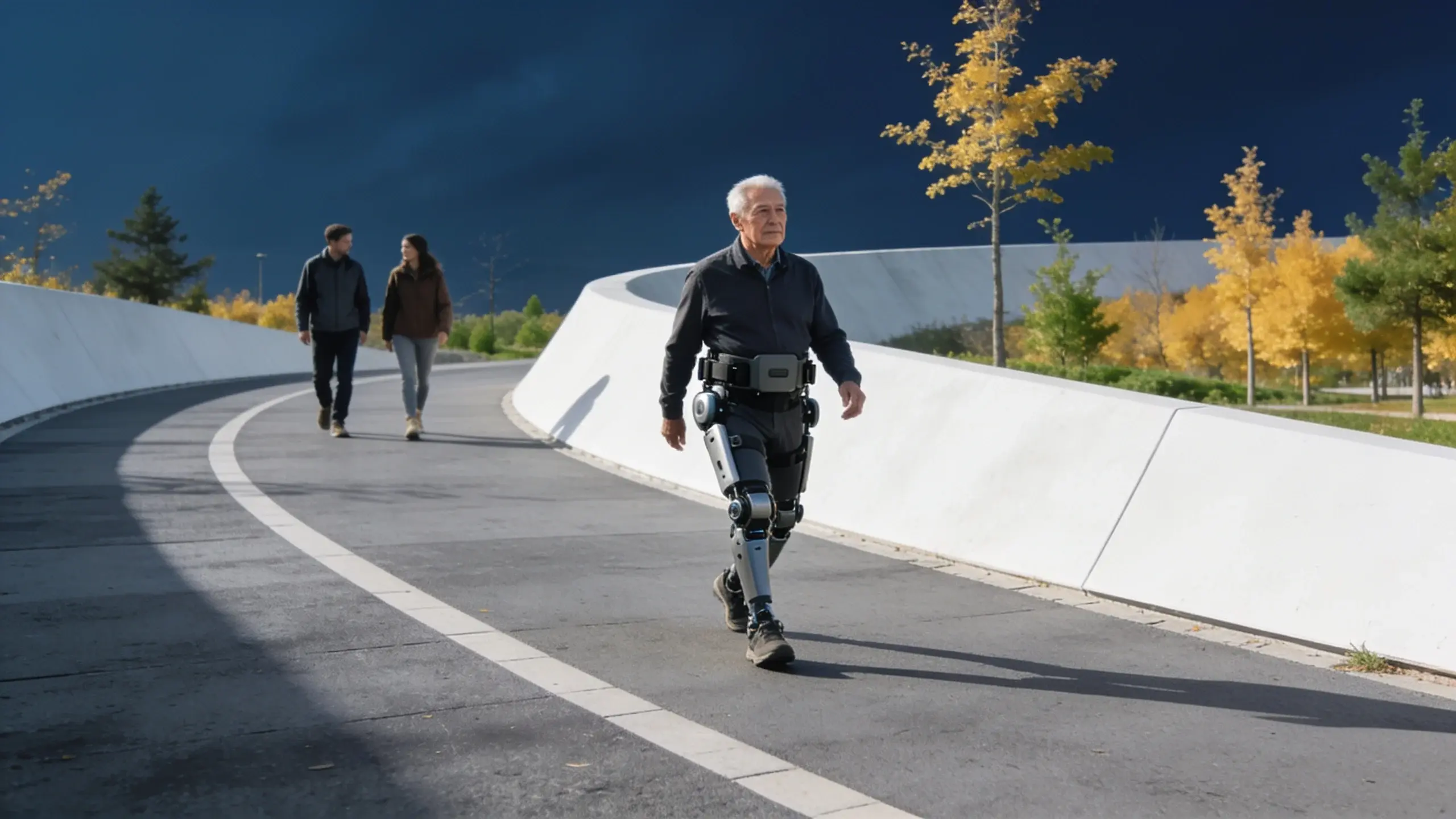
| Recreational walking or hiking | Consumer powered-device comparison | That assistance removes the need for balance or fitness |
| A defined workplace task | Occupational assessment and task trial | That a hiking device transfers safely to work |
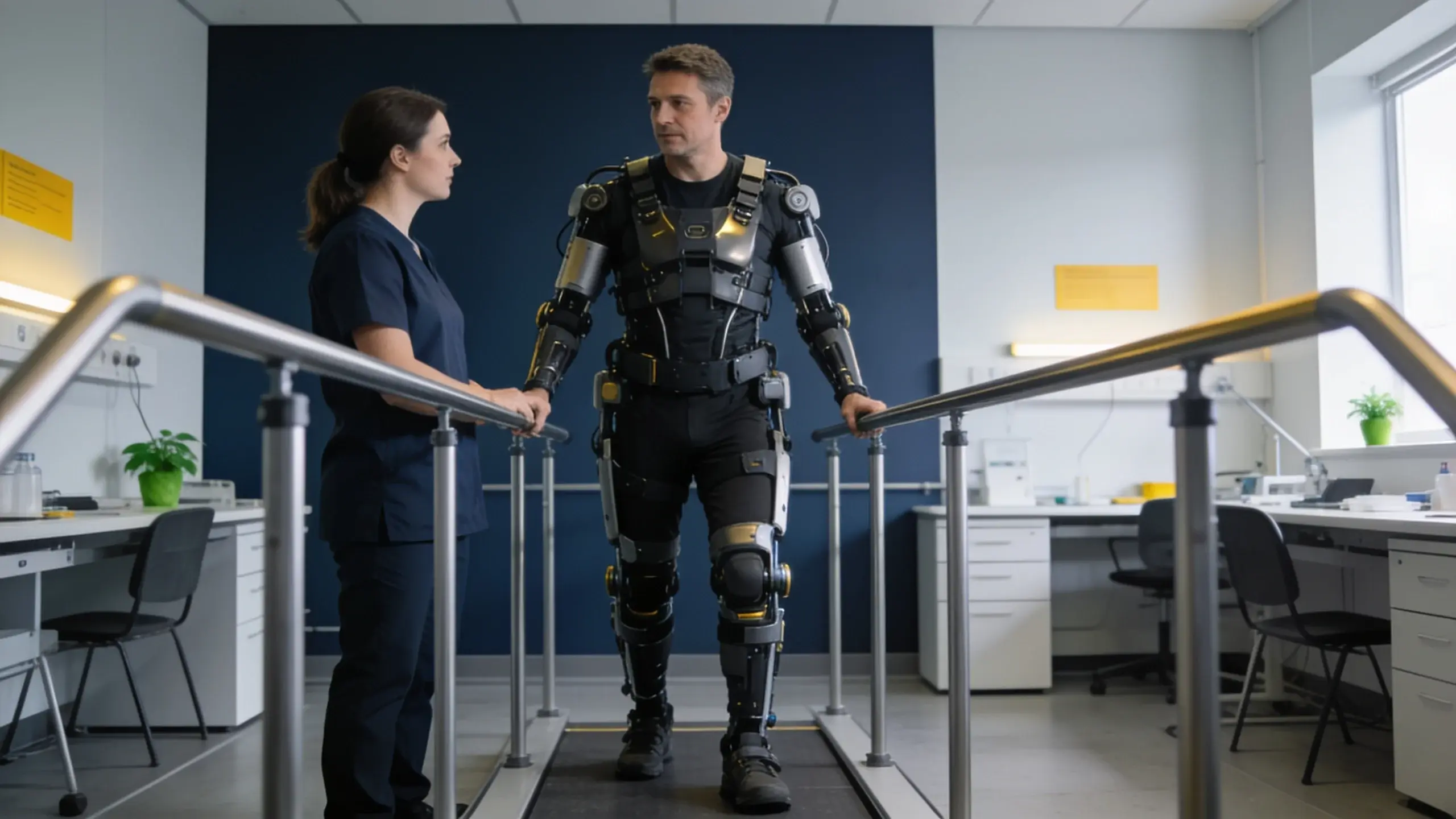
| Impaired gait, rehabilitation or disability | Qualified clinical and regulated-device pathway | That a direct-to-consumer product is a treatment |
For recreational walking, map the movement
Current consumer evidence is most developed around continuous forward walking and uphill hiking. Short steps, abrupt gait changes, scrambling and technical terrain are documented less consistently. Route profile and gait pattern are therefore better filters than a generic promise of easier walking.
Fit is part of the mechanism
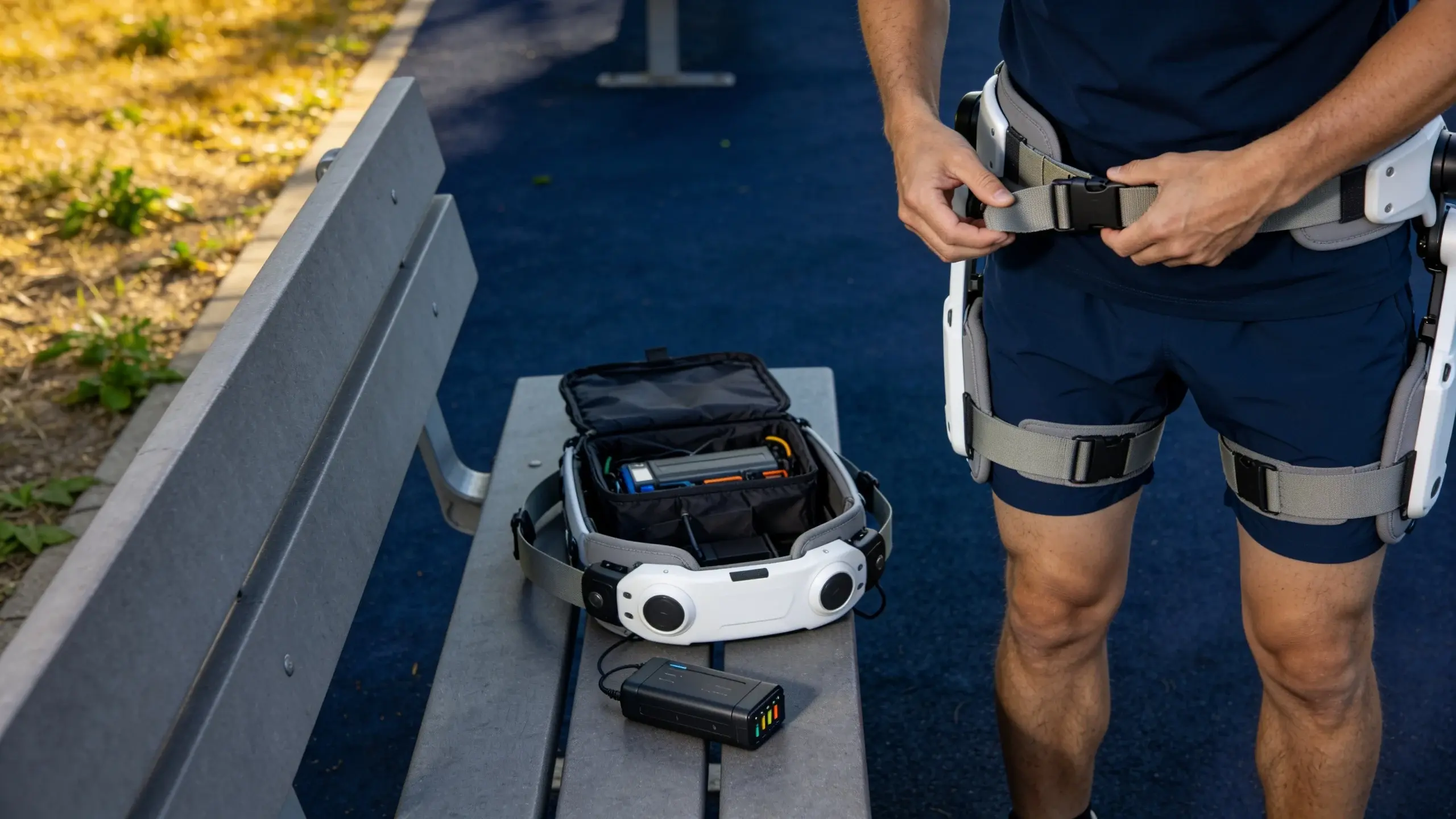
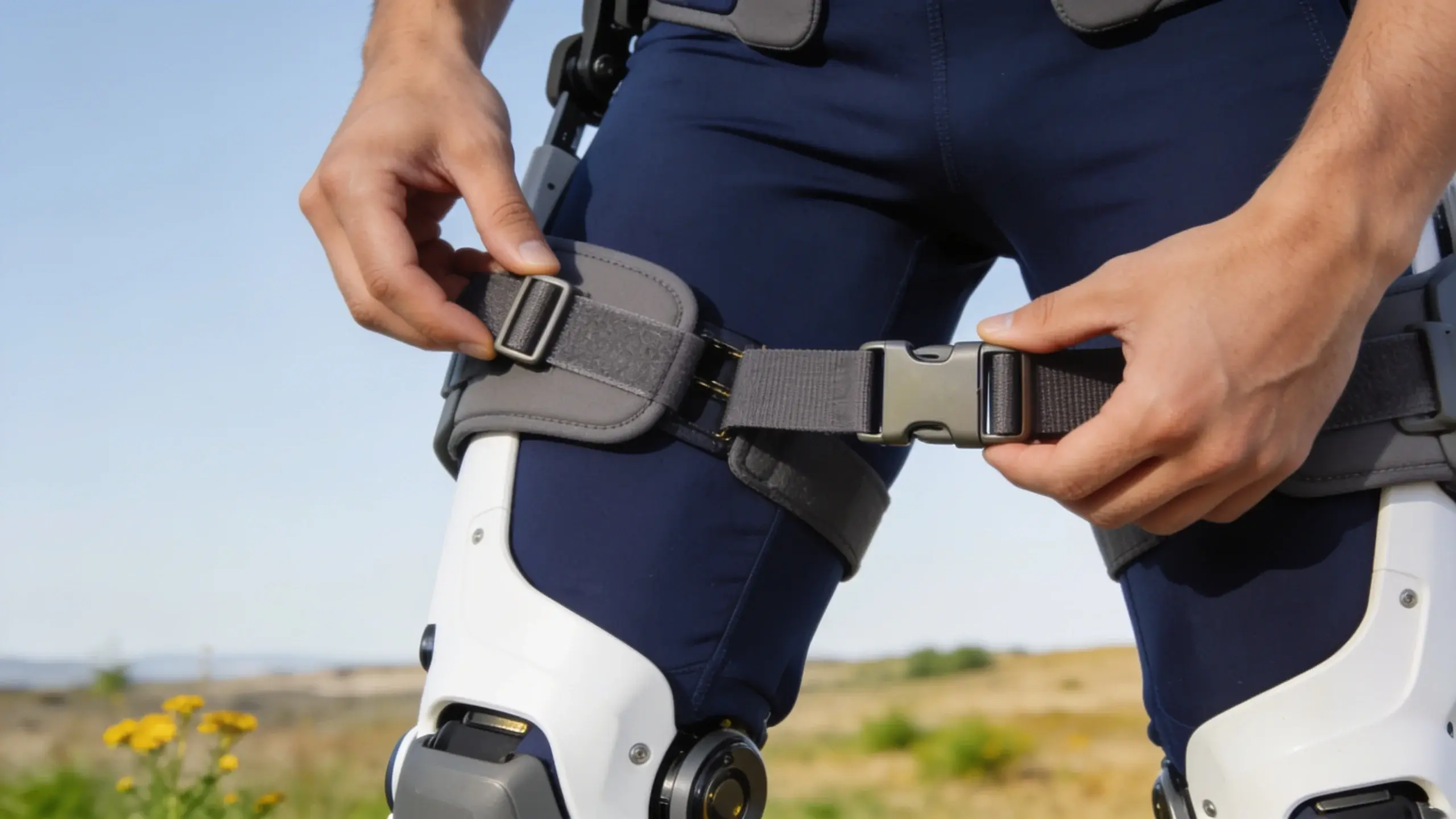
Waist size, thigh circumference, frame position, height and leg geometry can change leverage and comfort. Check the exact fit guide and return policy before treating a model as eligible. Creator reports of rubbing or alignment problems are useful warning signals, not universal fit conclusions.
A five-question shortlist
- Which joint does the device assist?
- Which walking modes and terrain appear in the exact manual?
- What happens when assistance stops?
- Can the battery be removed, charged and carried as needed?
- Can you return or trial the exact configuration after fit testing?
Sources
- FDA 510(k) record: ReWalk P6.0
- FDA clearance letter: Indego powered exoskeleton
- Hypershell X Ultra official product page
Key facts
- Consumer devices still require balance and controlled foot placement.
- Hip assistance and knee assistance feel different and suit different movement patterns.
- Mobility impairment or rehabilitation belongs in the medical-device pathway.
- Fit and return terms can be more decision-critical than maximum output.
Frequently asked questions
Can an exoskeleton help someone who cannot walk?
That is a medical question. Some regulated powered exoskeletons have exact cleared indications and supervised-use requirements; consumer hiking products should not be substituted for them.
Which exoskeleton is best for everyday walking?
There is not yet enough uniform evidence for a universal answer. Start with assisted joint, fit, walking environment, shutdown behavior and support in your country.
Can I wear a hiking exoskeleton on stairs?
Only if the exact model's instructions and controls support that use. A mode name is not a substitute for training, fit or the manual's terrain limits.