Medical Exoskeletons: Evidence and Access
A non-commercial overview of exact indications, FDA records, training and why consumer hiking devices are not medical substitutes.

Research standard: this guide draws on primary records, technical documentation and documented field experience. Volatile facts such as price, availability and firmware are reviewed on a dated schedule.
Intended use defines the category
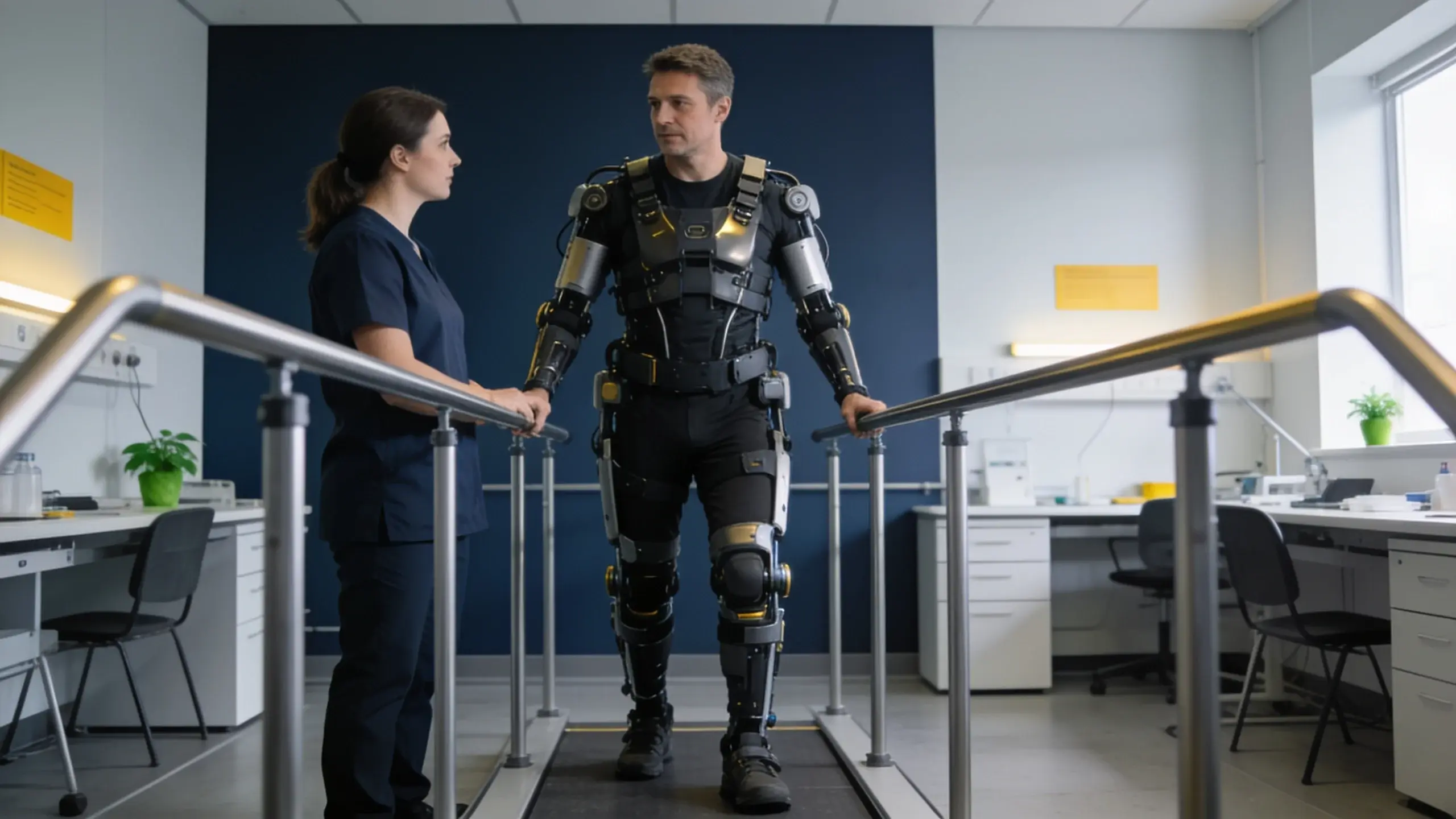
A device becomes medical through its intended use and regulatory pathway, not its appearance. FDA records for products such as ReWalk P6.0 and Indego identify the exact device classification, indication and conditions. ExoRank links to those records rather than using broad claims like FDA approved.
What an evidence review should contain
| Layer | Question |
|---|---|
| Regulatory | What exact model, decision and indication appear in the regulator database? |
| Clinical | Which population, setting, outcome and comparison were studied? |
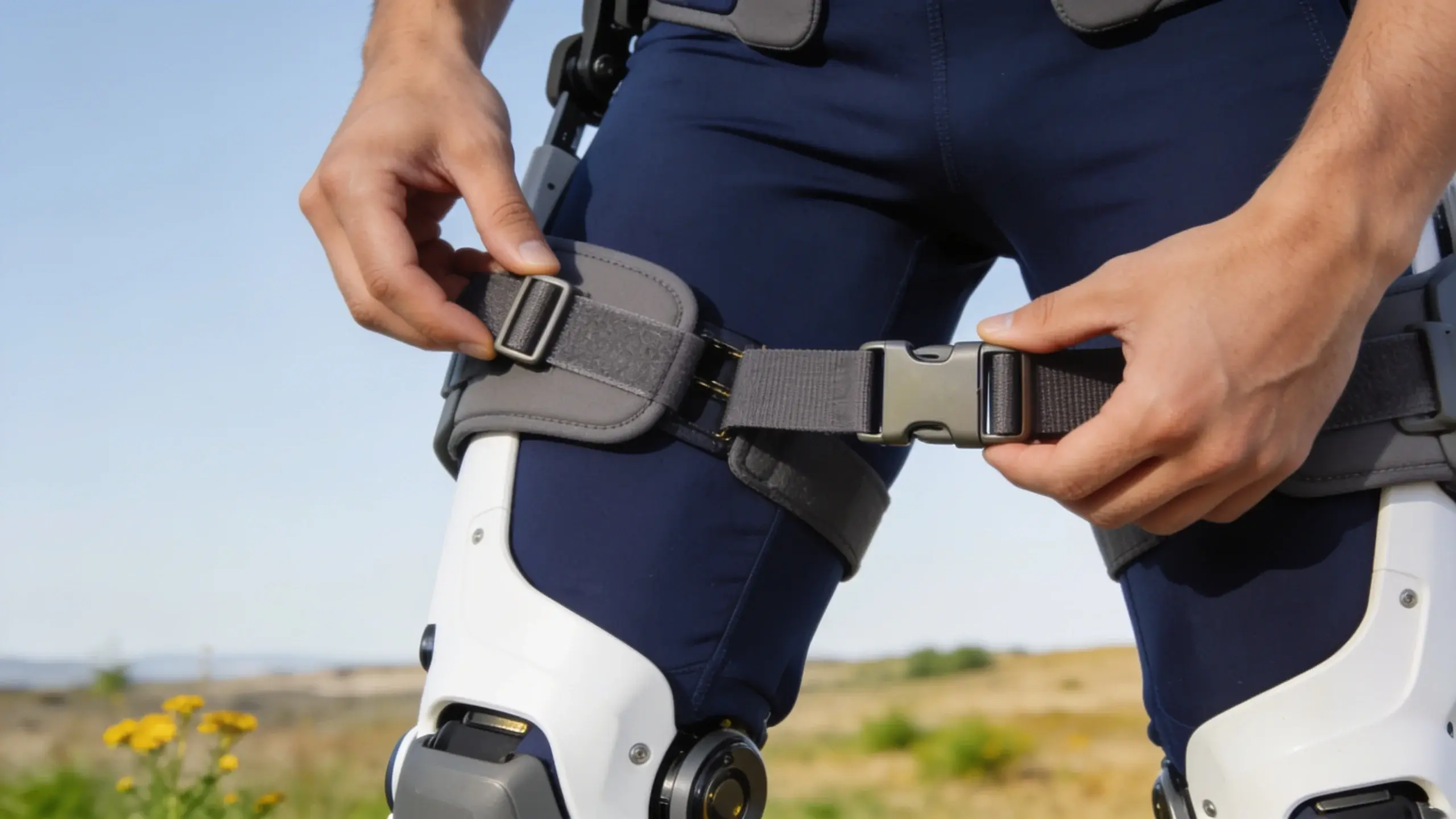
| Operational | What assessment, fitting, training and supervision are required? |
| Access | Is the device available through a provider, institution or personal-use pathway? |
| Safety | What contraindications, warnings and stop conditions apply? |
Why consumer products stay separate
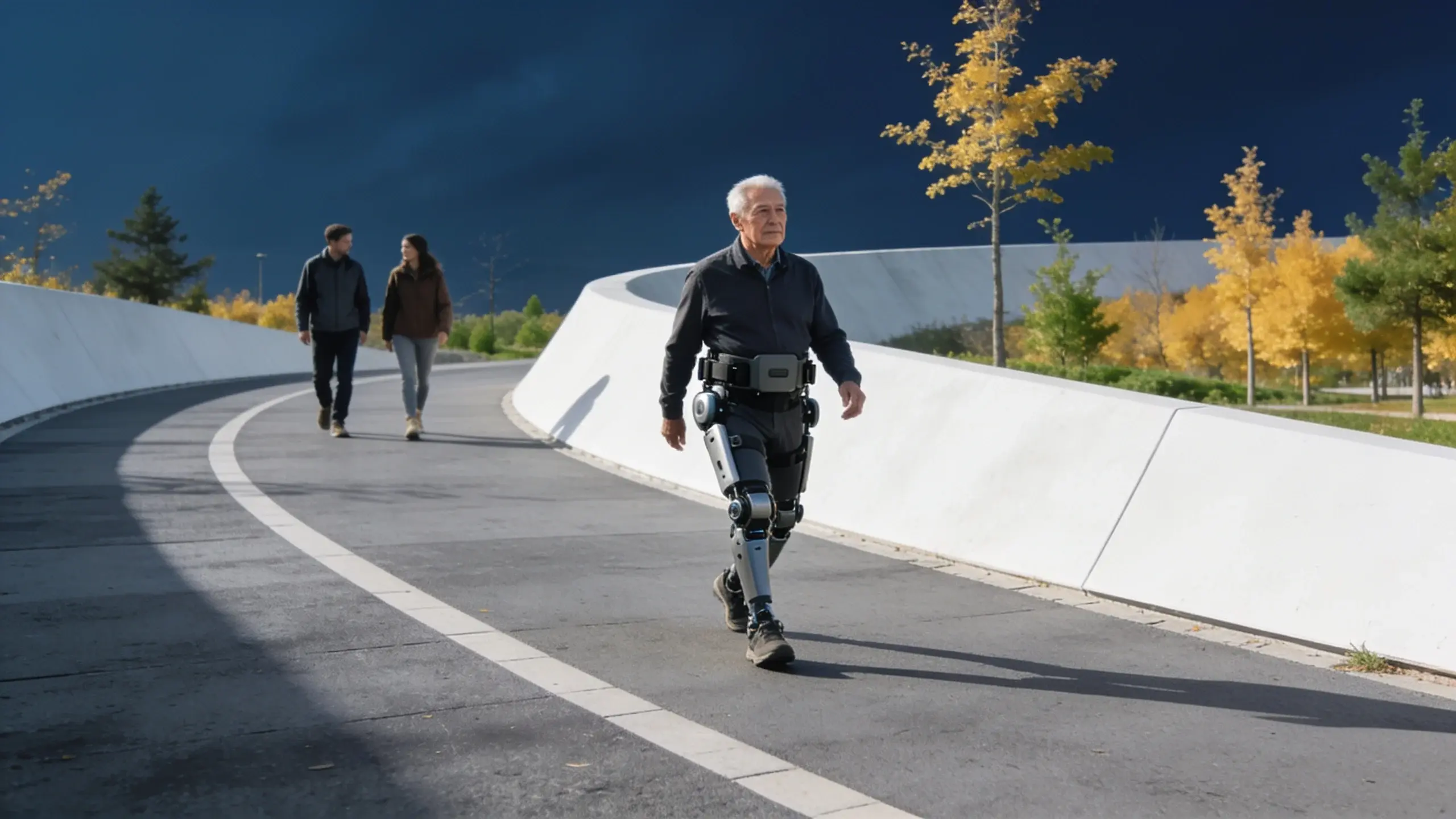
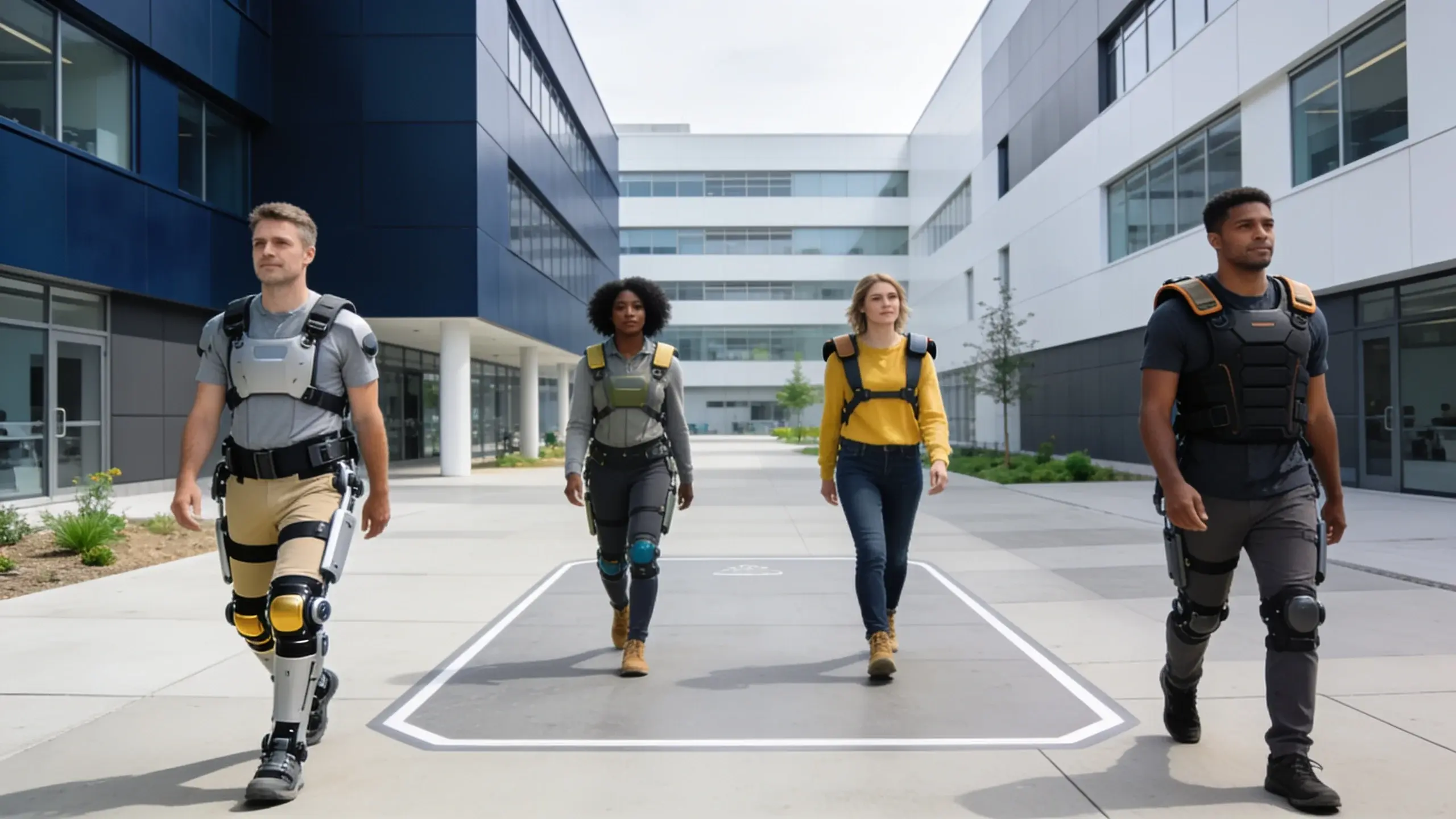
A direct-to-consumer hip-assist device may be marketed for hiking or everyday activity. That does not establish safety or benefit for impaired gait, rehabilitation, fall prevention, pain or a neurological condition. ExoRank excludes medical claims from consumer rankings.
How to interpret a personal story
A video may document one person's experience, but it cannot establish causation, generalize to another diagnosis or replace an exact regulator and clinical evidence review. Personal reports can identify questions for professionals; they are not treatment recommendations.
This page provides market and evidence context, not medical advice. Decisions about mobility or rehabilitation require a qualified professional and the exact device instructions.
Sources
- FDA 510(k) record: ReWalk P6.0
- FDA clearance letter: Indego powered exoskeleton
- ASTM Committee F48 on Exoskeletons and Exosuits
Key facts
- FDA records classify specific powered exoskeleton models and indications.
- Clearance applies to the exact device and labeled use, not the category as a whole.
- Training and supervision can be part of the cleared use conditions.
- A creator's recovery story is not clinical evidence.
Frequently asked questions
Are medical exoskeletons FDA approved?
Use the exact regulator terminology. Some powered exoskeletons have FDA clearance for specific indications; approval and clearance are not interchangeable labels.
Can I use a consumer exoskeleton for rehabilitation?
Do not assume so. Consumer products are not substitutes for regulated medical devices, clinical assessment or supervised rehabilitation.
Does insurance cover a medical exoskeleton?
Coverage is payer-, indication-, device- and jurisdiction-specific. Verify directly with the provider and payer rather than relying on a general price guide.