Are Exoskeletons Safe? Risks to Check
A cautious evidence guide to fit, pressure, balance, shutdown, batteries, training and the limits of current research.

Research standard: this guide draws on primary records, technical documentation and documented field experience. Volatile facts such as price, availability and firmware are reviewed on a dated schedule.
Safety starts with the exact use case
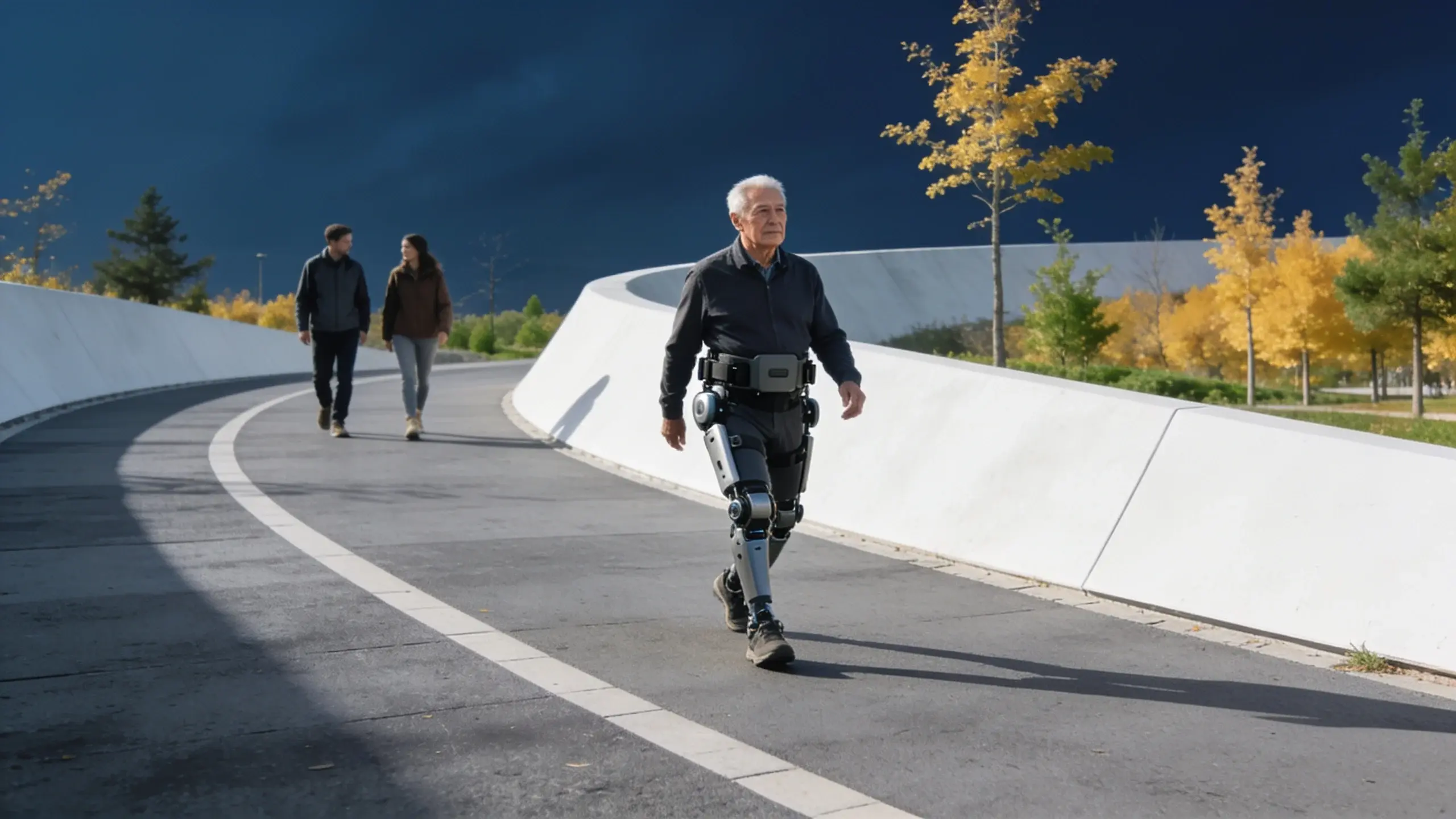
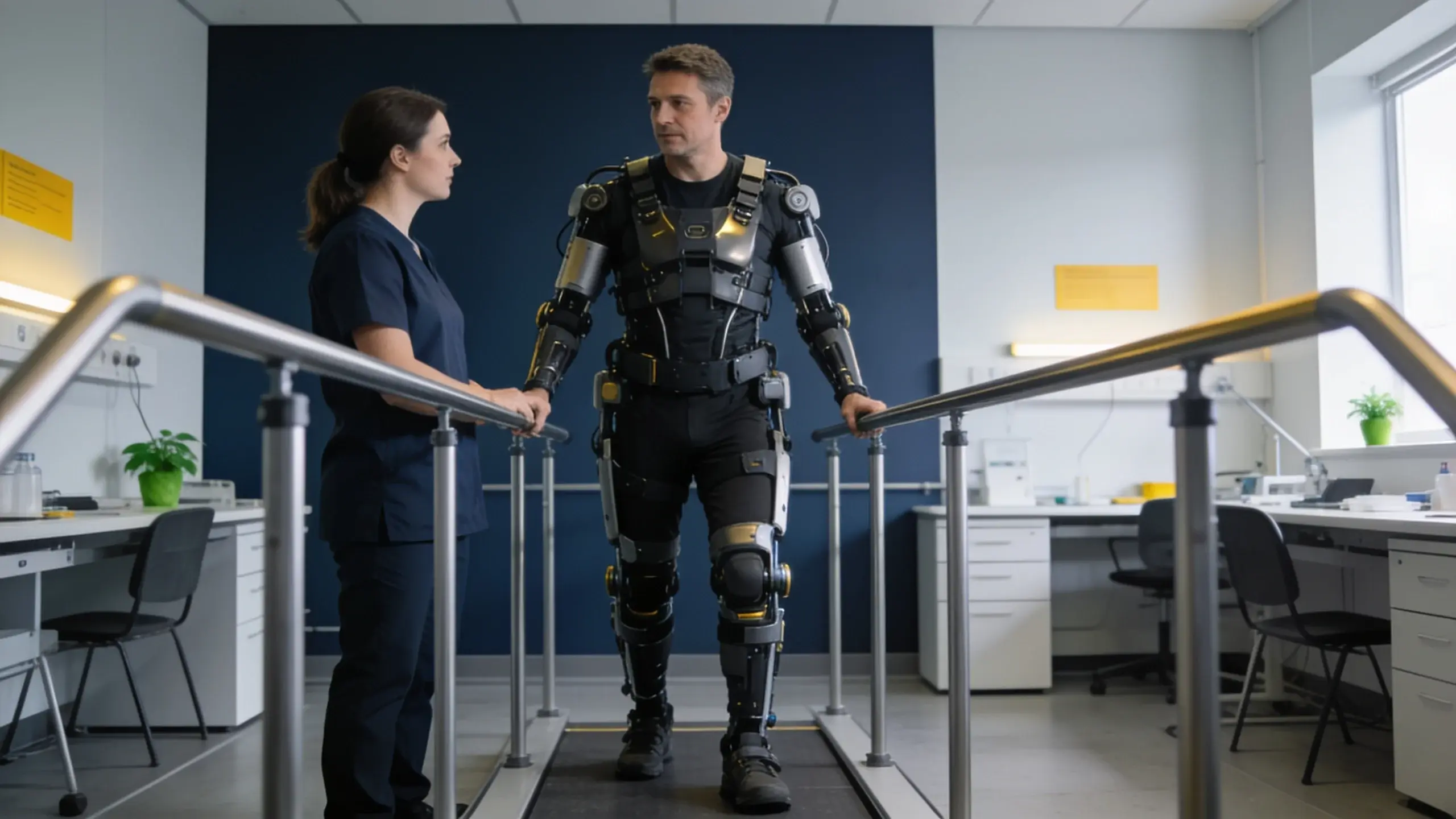
A safe result cannot be inferred from the category name. A consumer hip-assist device on a maintained trail, a shoulder-support frame during overhead work and a medical lower-limb exoskeleton under supervision have different hazards and controls.
The main risk categories
| Area | What can change | What to verify |
|---|---|---|
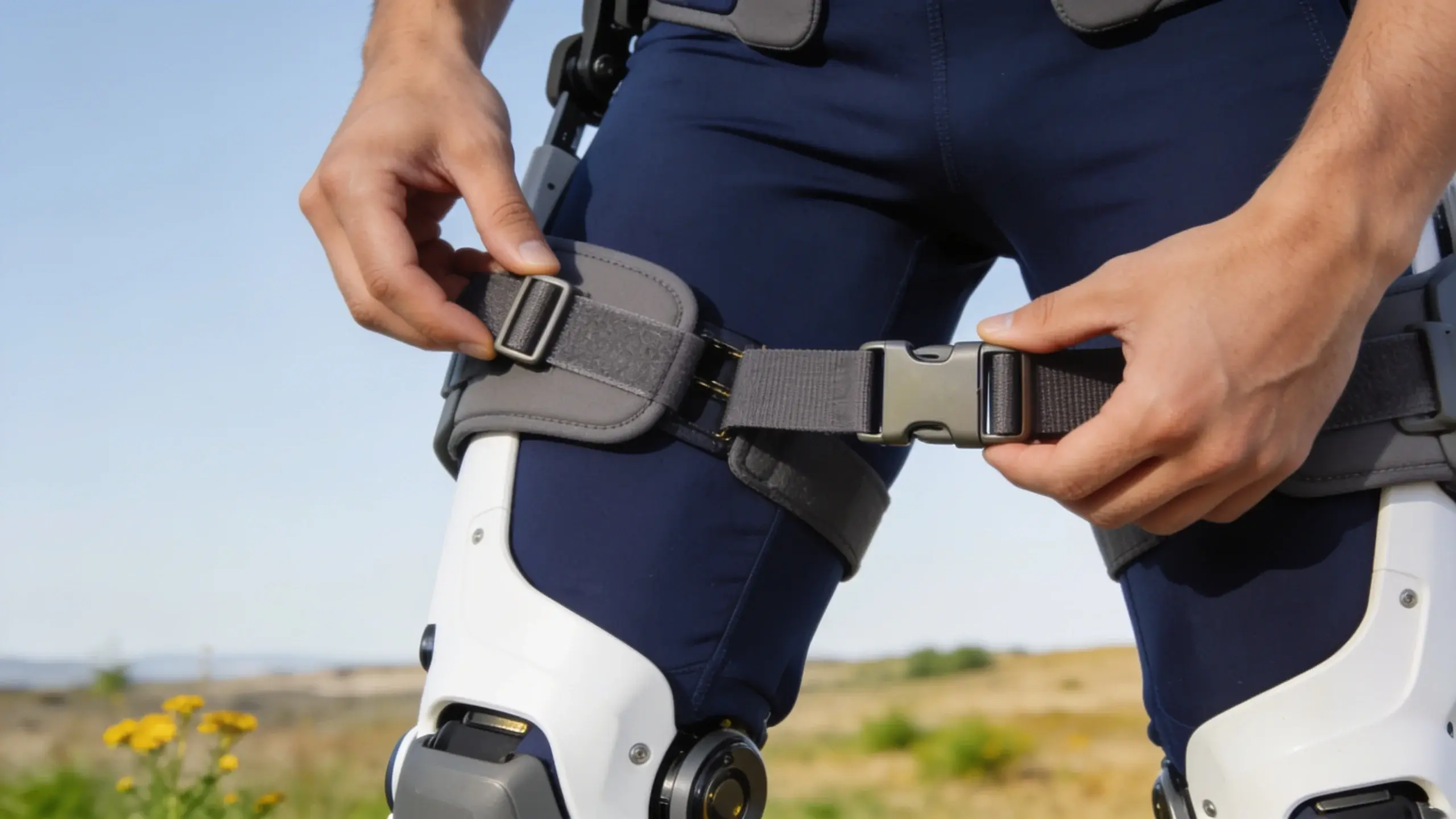
| Fit and alignment | Pressure, rubbing or force at the wrong joint position | Sizing, strap placement and stop conditions |
| Balance and terrain | Center of gravity, trip recovery and clearance | Surface, grade, weather and movement limits |
| Control | Unexpected assistance or mode transition | Physical controls, shutdown and manual behavior |
| Battery | Heat, damage, water exposure or low-charge behavior | Charging, inspection and storage instructions |
| Task transfer | Load moves to another body region or exposure lasts longer | Task-specific trial and risk assessment |
What the workplace evidence does and does not show
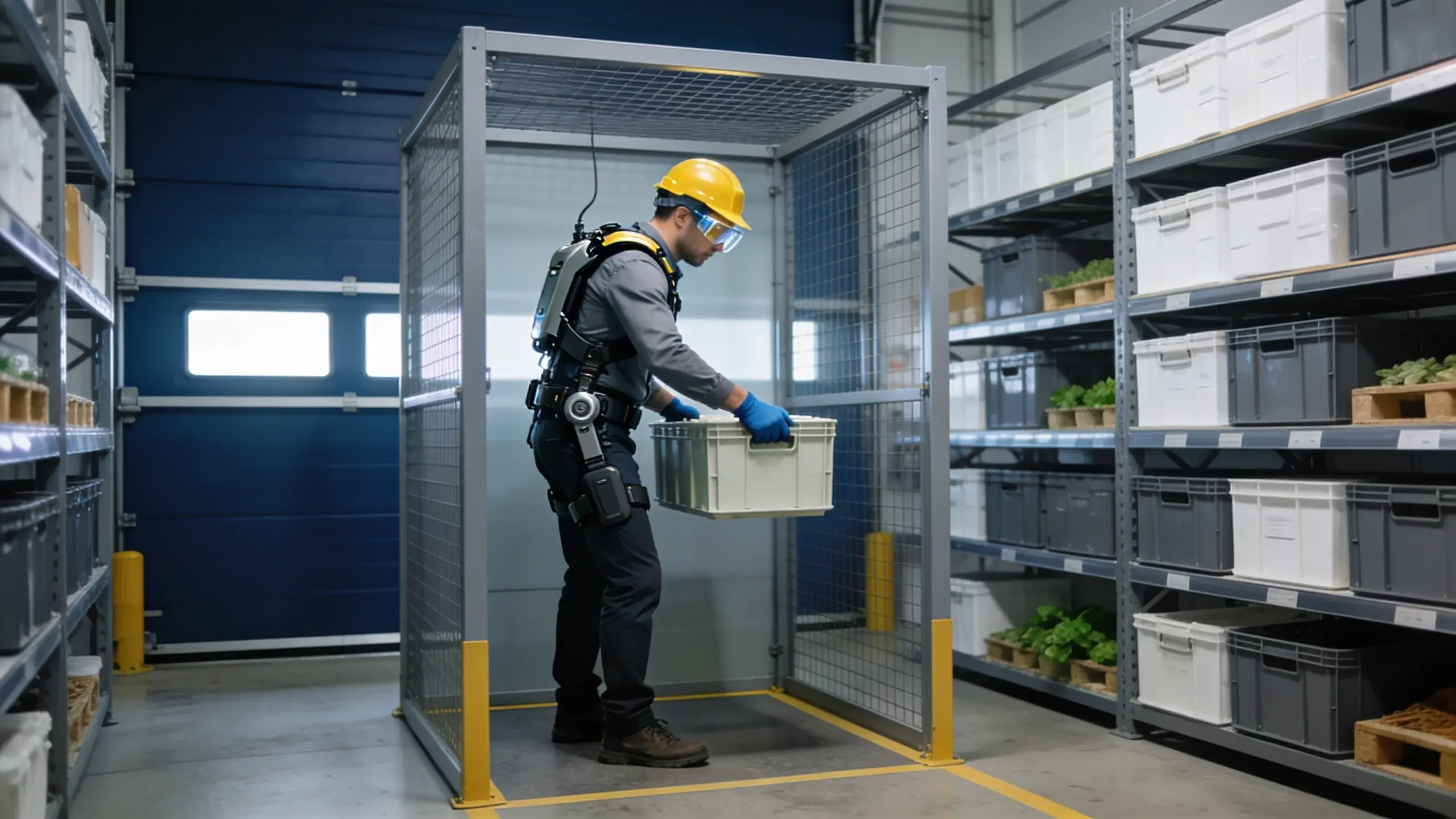
NIOSH summarizes studies reporting changes in muscle activity and loading, but it also highlights small samples, laboratory settings and possible risk transfer. Short-term biomechanical findings do not prove long-term injury prevention. Exoskeletons should not replace feasible engineering controls or a broader ergonomics program.
A conservative pre-use check
- Confirm the exact model, fit range and intended activity.
- Inspect straps, frame, battery and connectors as the manual directs.
- Learn controls and shutdown behavior in a controlled environment.
- Start on predictable terrain and stop for pain, numbness, rubbing, instability or unexpected assistance.
- Do not generalize a creator demonstration to weather, stairs, vehicles, technical trails or work tasks.
This guide is general research, not medical, workplace-safety or product-specific instruction. The exact manual and qualified assessment take priority.
Sources
Key facts
- A device can redistribute load rather than eliminate it.
- Poor fit may create pressure, rubbing or alignment problems.
- Balance and center-of-gravity changes matter on uneven terrain or elevated work.
- Training and risk assessment are active areas of ASTM F48 standards work.
Frequently asked questions
Can an exoskeleton cause an injury?
Any wearable system that transmits force can create risks if it is misaligned, used outside instructions, damaged or poorly matched to the task. Follow the exact manual and qualified guidance.
Is CE marking proof that an exoskeleton is safe for every use?
No. Regulatory status and standards claims must be tied to the exact product and intended use; they do not establish suitability for every user or task.
What should happen if the battery dies?
Behavior varies by model. Check the manual and documented tests for shutdown, drag, manual release and safe stopping rather than assuming a family-wide behavior.