Industrial Exoskeletons: Uses and Limits
An evidence-led overview of task selection, pilots, training, ergonomics and why short-term load changes do not prove injury prevention.

Research standard: this guide draws on primary records, technical documentation and documented field experience. Volatile facts such as price, availability and firmware are reviewed on a dated schedule.
Common occupational categories
| Category | Example task | Evaluation focus |
|---|---|---|
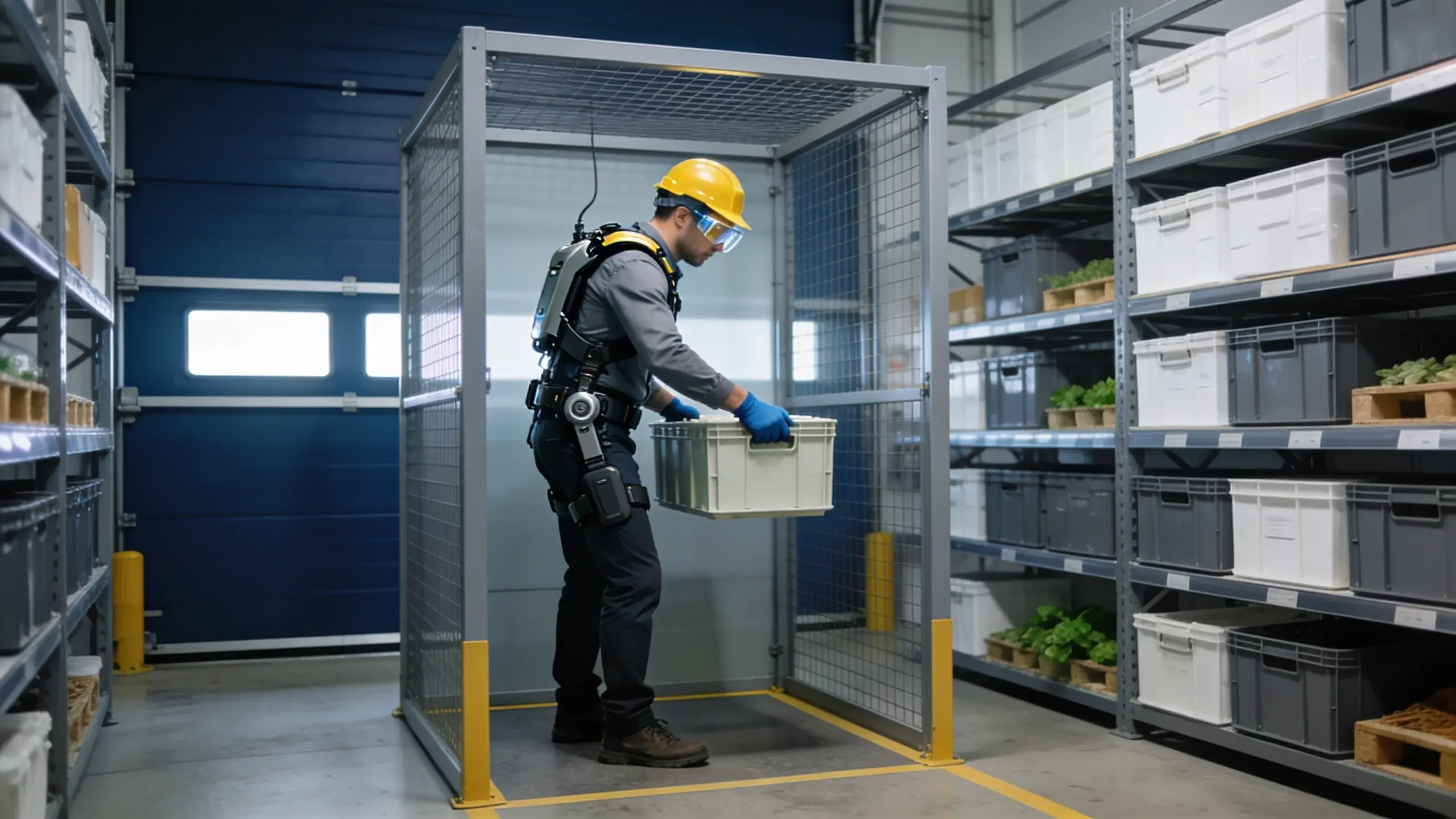
| Back assist | Bending, lifting or static trunk posture | Load transfer, movement restriction and task variability |
| Shoulder / arm assist | Sustained overhead work | Arm range, contact pressure and work duration |
| Tool support | Holding a heavy tool | Where the tool load is redirected |
| Leg assist | Standing, squatting or lower-limb support | Mobility, balance and transitions |
Start with hazard control, not a device demo
A workplace should first ask whether the task can be eliminated, redesigned or controlled through equipment. NIOSH describes exoskeletons as a possible response to residual risks and highlights the danger of over-reliance. A successful demonstration on one worker does not establish a workforce-wide program.
Pilot the task and the workforce
- Define the exact task, posture, duration and environment.
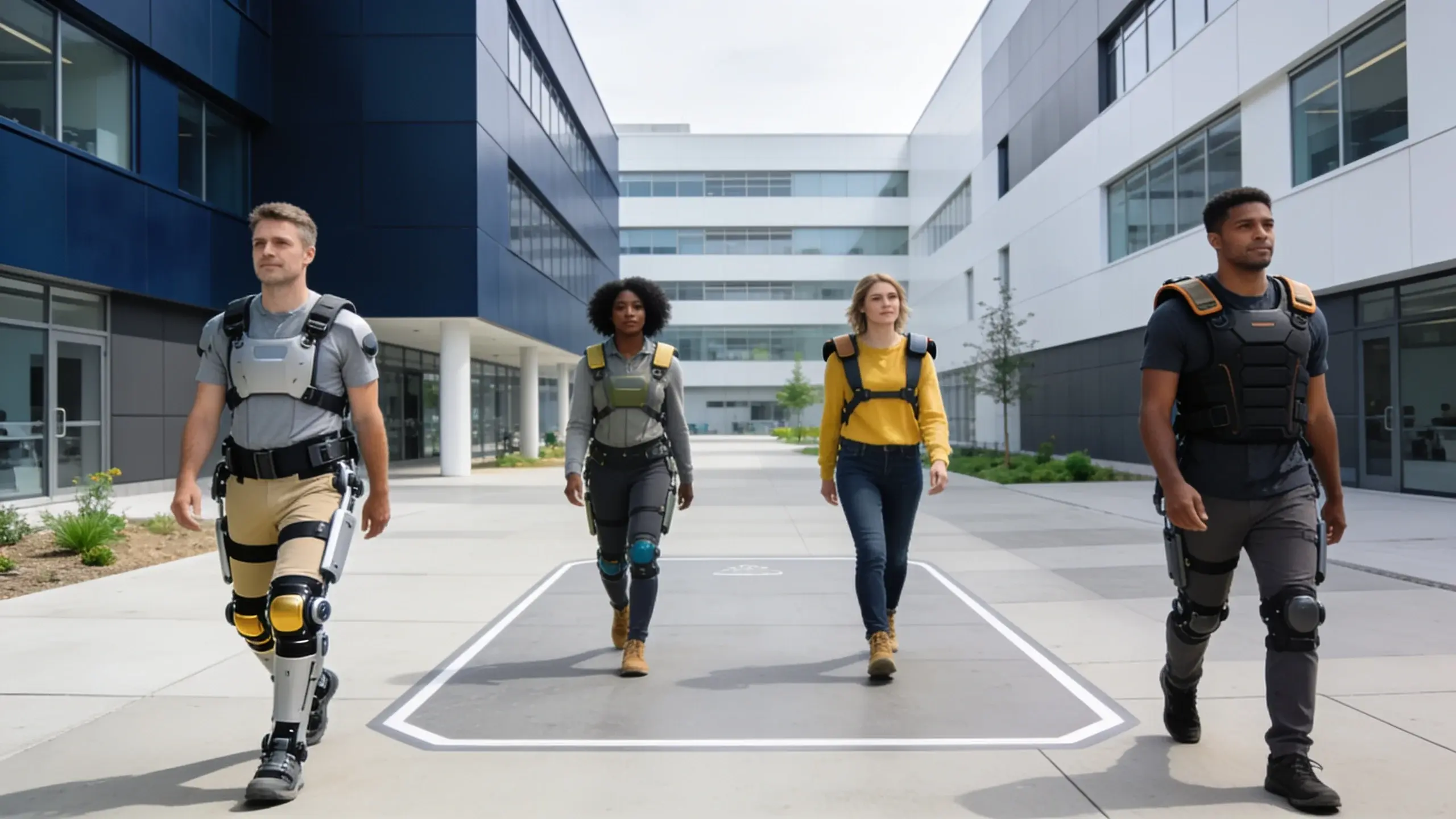
- Include workers with varied body dimensions and collect opt-in feedback.
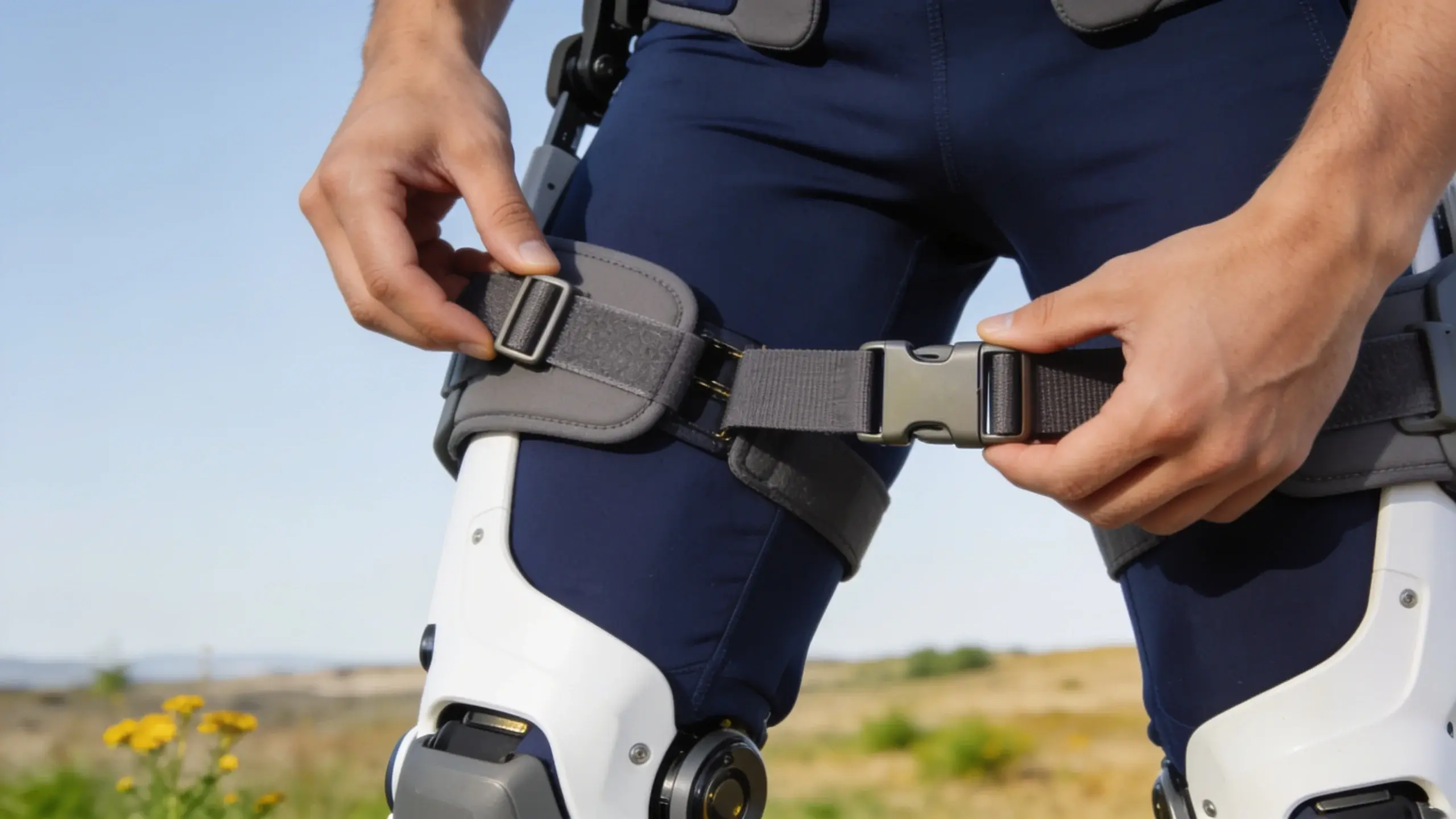
- Assess donning, hygiene, heat, movement restriction and emergency egress.
- Check whether force or exposure shifts to another body region.
- Document training, inspection, maintenance and stop criteria before scale-up.
Evidence language that stays honest
Reduced muscle activity or modeled spinal load in a short study is not the same as fewer long-term injuries. Increased task endurance can also increase exposure to vibration, noise or other hazards. Report the measured outcome and study conditions without promoting a broader health conclusion.
Sources
Key facts
- NIOSH groups common industrial devices into back, shoulder/arm, tool-support and leg-assist categories.
- Passive systems are common in occupational applications.
- A device can shift load instead of removing it.
- Exoskeletons should address residual risk, not replace feasible engineering controls.
Frequently asked questions
Do industrial exoskeletons prevent injuries?
Current evidence does not support a universal prevention claim. Studies often measure short-term biomechanical outcomes under limited conditions; workplaces need task-specific assessment and broader controls.
Are industrial exoskeletons PPE?
Their place in control strategies remains context-specific. NIOSH notes the need for continued research and standards work rather than treating every device as conventional PPE.
Should every worker use the same model?
No. Anthropometry, task, fit, acceptance and existing conditions vary. Selection and pilots should represent the actual workforce.