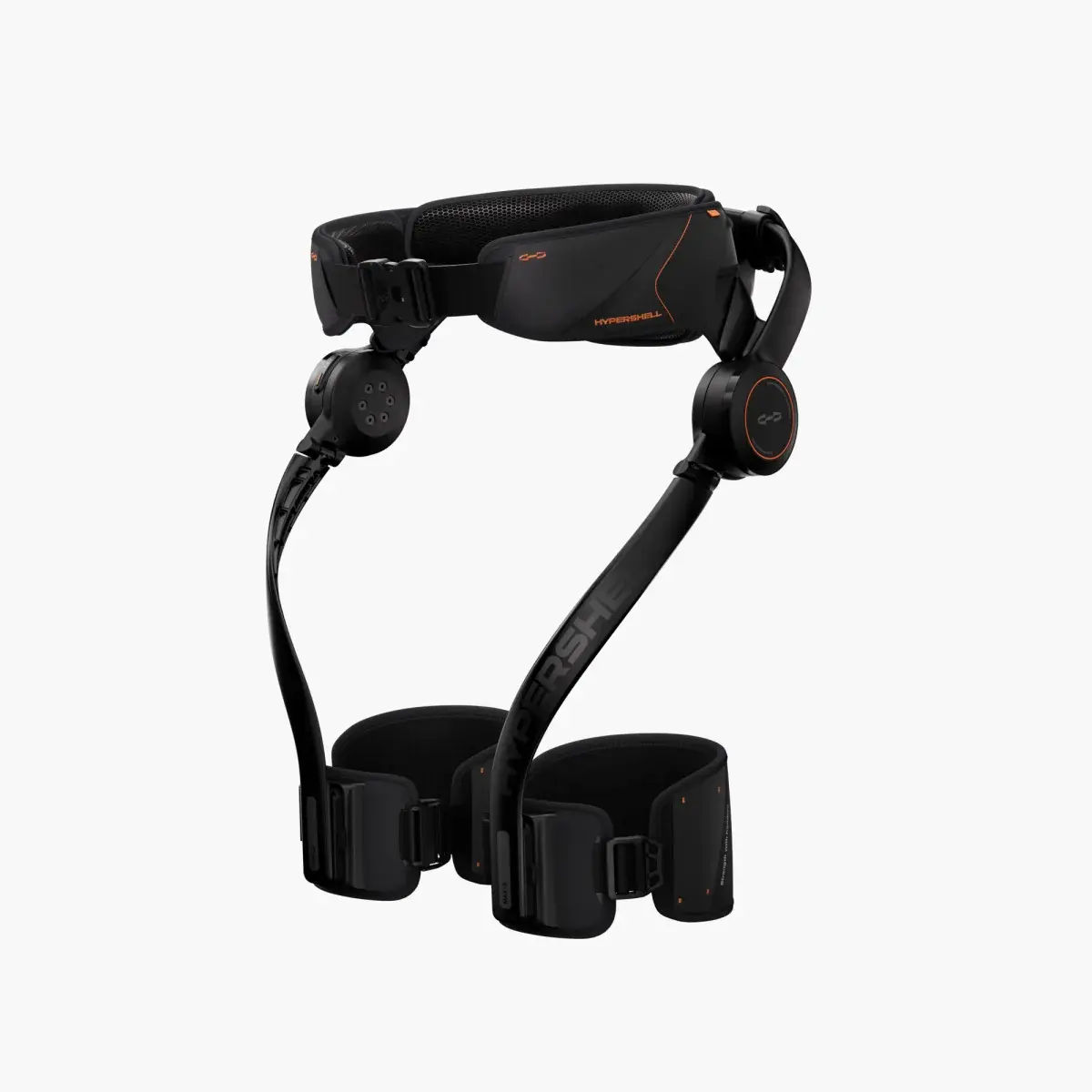
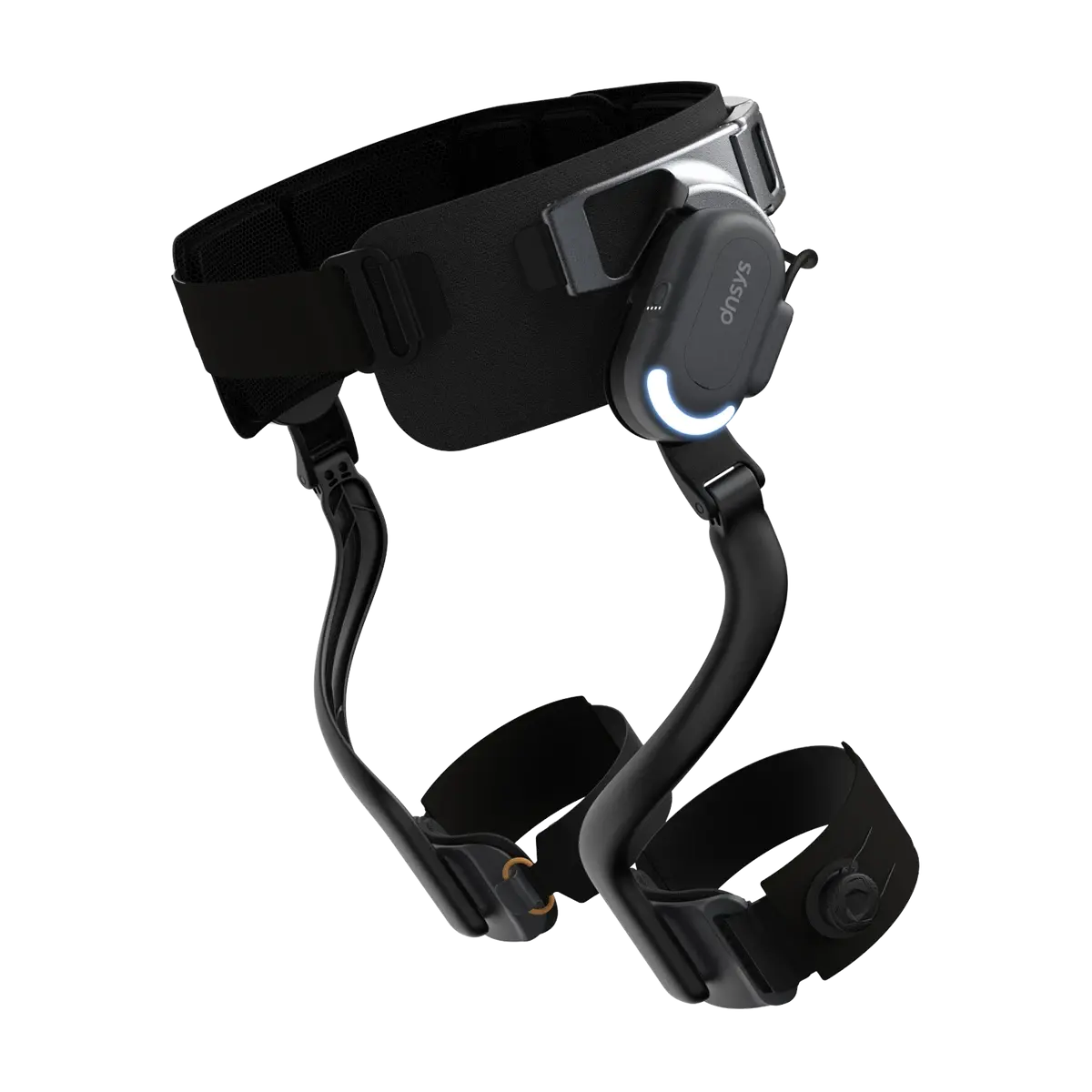
ExoRank compares these exact current products across price, assistance, range, wearing weight, availability, ownership support and documented field performance. Manufacturer performance figures remain clearly attributed.
ExoRank verdict
Choose Hypershell X Max S for the more complete current evidence set and a more integrated product experience in the review corpus. Consider DNSYS X1 Carbon when lower entry price and compactness matter more, while accepting more open questions about wearing-weight comparability, noise, and ownership support.
Choose X Max S if
Buyers who prioritize a more complete current specification record, a clearly stated total wearing-weight basis, broader listed modes and a single-brand product, app and support pathway.
Choose X1 Carbon if
Buyers who prioritize a lower observed purchase price and a lighter stated mechanical-parts figure, and who are prepared to verify total worn weight, regional support and current return terms.
Criterion
Hypershell X Max S
DNSYS X1 Carbon
Price
$1,499
$889
Primary assisted area
hip
hip
Advertised peak power
1000 W
900 W
Advertised range
30 km
15 km
Weight
2.571 kg (wearing weight)
1.6 kg (mechanical parts)
Commercial status
in stock
in stock
Research confidence
high
high
Evidence parity check
What can be compared directly?
Before comparing headline numbers, check whether each one describes the same part of the system. The rows below separate like-for-like fields from mismatched measurement boundaries.
Product scope
Aligned
Hypershell X Max S
Consumer hip assistance; active electric
DNSYS X1 Carbon
Consumer hip assistance; active electric
These products belong in the same architecture-level comparison. Fit and control behavior still require exact-model evidence.
Range configuration
Comparable with limits
Hypershell X Max S
30 km manufacturer-rated range; 1 included battery
DNSYS X1 Carbon
15 km manufacturer-rated range; 1 included battery
Both records use one included battery. The distances are still separate manufacturer ratings, not results from one controlled route.
Peak power
Same unit only
Hypershell X Max S
1,000 W manufacturer-rated peak power
DNSYS X1 Carbon
900 W manufacturer-rated peak power
Watts share a unit, not a test protocol. They cannot establish delivered assistance, efficiency or movement quality by themselves.
Weight boundary
Not aligned
Hypershell X Max S
2.571 kg wearing weight
DNSYS X1 Carbon
1.6 kg mechanical parts
One figure covers the worn configuration and the other covers mechanical parts. Subtracting them would create a false weight advantage.
This comparison keeps exact configurations and measurement bases separate. Published power, range and assistance figures are attributed to each manufacturer; price and availability are dated snapshots rather than permanent terms.
01
Assistance architecture and intended use
Both products are powered hip-assist systems for independently ambulatory users, so this is a closer comparison than a hip-versus-knee matchup. Hypershell lists the X Max S for walking, hiking, stairs, running, cycling and mixed terrain. DNSYS lists the X1 Carbon for walking, hiking, running and daily mobility. The overlap is substantial; fit, control behavior and the type of terrain matter more than the fact that both publish large peak-power numbers.
02
Power figures are not a complete performance comparison
Hypershell publishes 1,000 W peak power, 22 N·m torque and an assisted pace claim for X Max S. DNSYS publishes 900 W and an up-to-45% thigh-power boost for X1 Carbon. Those figures use different units and do not establish how assistance feels during starts, descents, transitions or low-speed technical movement. They describe each manufacturer's system, but they should not be converted into a simple percentage advantage.
03
Range and battery planning
The recorded manufacturer-rated range is 30 km for X Max S and 15 km for X1 Carbon, with one battery recorded for each configuration. Range remains conditional on user mass, terrain, temperature, speed and assistance mode. For route planning, the difference is directionally useful but should not be treated as a guaranteed 15-kilometre advantage. Buyers should also check replacement-battery price, charging logistics and whether a second battery fits their route plan.
04
Weight needs a like-for-like definition
Hypershell's 2.571 kg figure is recorded as wearing weight including the main device, soft-pack system and one battery. DNSYS's 1.6 kg figure is recorded as mechanical-parts weight and excludes some worn components. The DNSYS number is lower, but the two values are not directly equivalent. Total worn configuration, pressure distribution and packability are more decision-relevant than subtracting the headline figures.
05
Price, support and ownership
The dated source record shows X1 Carbon at a materially lower price than X Max S. That makes DNSYS the stronger entry-cost proposition on paper. Hypershell has the more complete source trail for shipping regions, current lineup and product positioning. In either case, confirm destination-market warranty, returns, charger compatibility, app requirements, firmware support and replacement-battery availability before ordering.
Before you choose
What the specification table cannot decide for you
Fit and alignment
Body dimensions, strap position and joint alignment determine whether assistance is transferred comfortably. Check the current fit instructions for the exact model and do not infer fit from a different generation or family member.
Movement quality
Peak watts and maximum torque do not describe starts, stops, turns, descents or transitions between modes. Those behaviors depend on sensors, controls, firmware and the user's movement pattern.
Real trip endurance
Published range is a planning input, not a guaranteed route length. Leave a reserve and account for elevation, surface, pace, temperature, assistance setting, user load and the age of the battery.
The ownership pathway
The better product on paper can become the worse purchase if returns, warranty, replacement batteries, firmware support or regional service are weak. Verify those terms in the destination market before paying.
A sensible final check is to write down the exact activity, expected session length, terrain, destination market and non-negotiable fit constraints. Then compare each product against that list. This prevents a larger headline specification or short-term promotion from outweighing the factors that determine whether the device will actually be used. Where possible, keep a copy of the selected configuration, fit chart, warranty and return terms from the purchase date; these records are useful when a storefront or product bundle later changes. Include the battery and charger identifiers because similarly named models may not share compatible power accessories, service terms or firmware support.
Evidence and editorial standards
Why this comparison exists: Both are consumer hip-assist devices; Both are directly orderable; The products occupy meaningfully different price points; Independent reviews discuss both families. Product facts were last verified on 2026-09-03; prices, availability, specifications, and support terms can change.
The ledger links to the exact manufacturer or official commercial pages supporting the displayed specifications, price snapshots, safety boundaries and availability. Sources were checked on 2026-09-03.
Is Hypershell X Max S better than DNSYS X1 Carbon?+
X Max S is ExoRank's stronger all-round choice because its current evidence set is more complete and its weight, range and lineup position are more clearly documented. X1 Carbon remains compelling when the lower observed price is the deciding factor.
Which one is lighter?+
DNSYS publishes the lower number, but it is a mechanical-parts figure. Hypershell's figure is a wearing-weight measurement including the device, soft-pack system and one battery, so the headline values are not directly comparable.
Which one has more range?+
Hypershell publishes 30 km for X Max S and DNSYS publishes 15 km for X1 Carbon with one included battery in each recorded configuration. Both are manufacturer-rated figures and real range depends on terrain, mode, temperature, speed and user load.
Can either product be used as a medical device?+
No medical-device status is claimed for these consumer outdoor products. They require independent walking and balance and should not be treated as rehabilitation systems.