Exoskeleton Price List: Models and Costs
A dated price tracker for consumer exoskeletons plus a practical framework for batteries, accessories, returns and total ownership cost.

Research standard: this guide draws on primary records, technical documentation and documented field experience. Volatile facts such as price, availability and firmware are reviewed on a dated schedule.
ExoRank price intelligence
Consumer exoskeleton price list
Exact-model US-dollar snapshots from official storefronts. Every row keeps the configuration, weight basis and verification date beside the price.
Latest commercial check
Aug 12, 2026
Swipe horizontally to compare every field.
| Model | Price | Status | Weight | Rated range | Checked |
|---|---|---|---|---|---|
| DNSYS X1 Litehip assist · DNSYS USD storefront | $689 | in stock | 1.8 kgmechanical parts | 15 km1 battery | Official source |
| DNSYS X1 Carbonhip assist · DNSYS USD storefront | $889 | in stock | 1.6 kgmechanical parts | 15 km1 battery | Official source |
| Hypershell X Pro Ship assist · US/global USD storefront | $999 | in stock | 2.585 kgwearing weight | 17.5 km1 battery | Official source |
| DNSYS X1 Carbon Prohip assist · DNSYS USD storefront | $1,289 | in stock | 1.6 kgmechanical parts | 30 km2 batteries | Official source |
| DNSYS Z1 Dual Jointknee assist · DNSYS USD storefront | $1,299 | in stock | 0.68 kgper leg | 15 km1 battery | Official source |
| Hypershell X Max Ship assist · US/global USD storefront | $1,499 | in stock | 2.571 kgwearing weight | 30 km1 battery | Official source |
| Hypershell X Ultra Ship assist · US/global USD storefront | $1,999 | in stock | 2.538 kgwearing weight | Not verified2 batteries | Official source |
| Skip × Arc'teryx MO/GOknee assist · US | $4,999 | preorder | Not verifiednot stated | 8.85 km2 batteries | Official source |
Price is a snapshot
Promotions, taxes, shipping and regional storefronts can change the final basket. The date and market identify exactly what was checked.
Weight definitions differ
Wearing weight, mechanical-parts weight and per-leg mass are kept separate. A lower number is not automatically a lighter complete setup.
Battery bundles change value
A two-battery offer can extend the stated range and alter replacement cost. Compare included equipment before comparing headline prices.
Offer-normalization worksheet
Turn a price row into a comparable offer
Before comparing two amounts, resolve five fields: model, market, purchase state, delivered equipment and measurement basis. Move through them in order. If a field lacks support, stop and keep the amount as a dated reference.
- 01
Resolve the exact model
Record the brand, model, generation and region. A family storefront can combine variants that do not share the same hardware or bundle.
- 02
Keep market and date attached
Carry the currency, storefront market and verification date with the amount. Do not turn a dated or another-market snapshot into a current local price.
- 03
Separate the purchase state
Direct purchase, preorder, reservation deposit and quote-only procurement belong in different groups. A deposit is not the full purchase price.
- 04
List what arrives
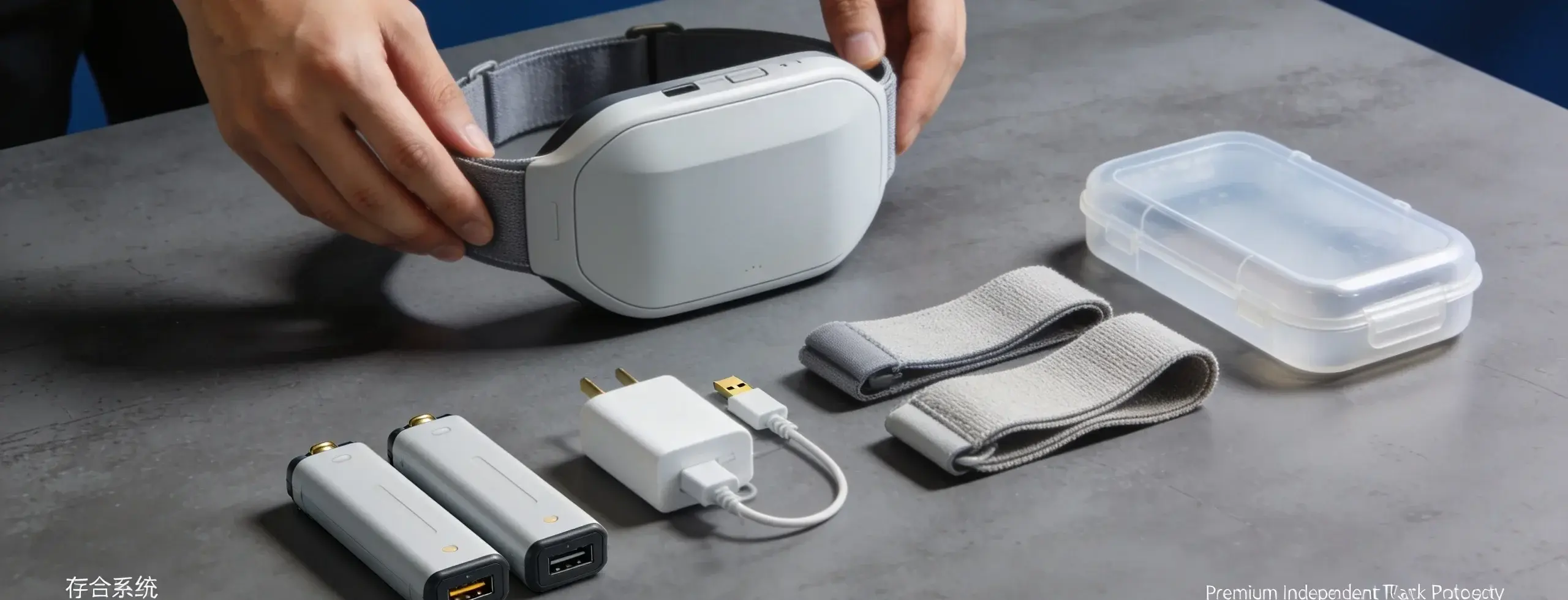
Record included batteries, charger, hub, straps and required fit parts. If the delivered configuration differs, the headline prices are not equivalent.
- 05
Preserve measurement boundaries
Keep battery count beside rated distance and keep wearing, mechanical-parts or per-leg weight labels visible. Do not normalize unlike measurements by assumption.
What to do when the rows stop matching
All five fields align
Move to the ownership decision and test fit, repeated use, support and the exit path.
Open the worth-it frameworkThe assisted class differs
Resolve intended use, power source and assisted body region before comparing amounts.
Open the type mapThe endurance basis differs
Compare exact-model distance claims only with their documented battery configuration.
Open the range trackerA source field is missing
Inspect the public record and leave the value unverified rather than filling the gap.
Open the evidence databaseMethod basis: ExoRank research methodology and the public exact-model database. Reviewed September 1, 2026. This worksheet changes no product price, purchase state, warranty, ranking or verdict.
What the current price range means
The direct-buy market now contains several distinct price tiers rather than one representative cost. Entry models sit below $1,000, current mid-range systems occupy the space around $1,000 to $1,500, and premium configurations reach roughly $2,000. A preorder product can sit far above that range without being comparable to an in-stock offer. The tracker above separates those commercial states instead of averaging them.
Price is useful only when the row resolves an exact model. A family storefront can display several variants with different motors, range claims, battery counts and materials. ExoRank stores each variant separately, records the storefront market and keeps the date beside the amount. When a page displays a sale, the recorded value remains a sale snapshot rather than silently becoming the product's permanent normal price.
Why two similar prices can buy different configurations
| Cost element | What to verify | Why it changes the decision |
|---|---|---|
| Exact device | Model, generation and region | Similar names can hide different hardware |
| Included power | Battery count, charger and hub | Changes practical endurance and replacement cost |
| Fit items | Cuffs, straps, sizing parts | The device may be unusable without the right configuration |
| Delivery | Tax, duties, shipping and destination | A global page is not a local landed price |
| After-sale | Return window, warranty, parts and service | Young categories can carry support risk |
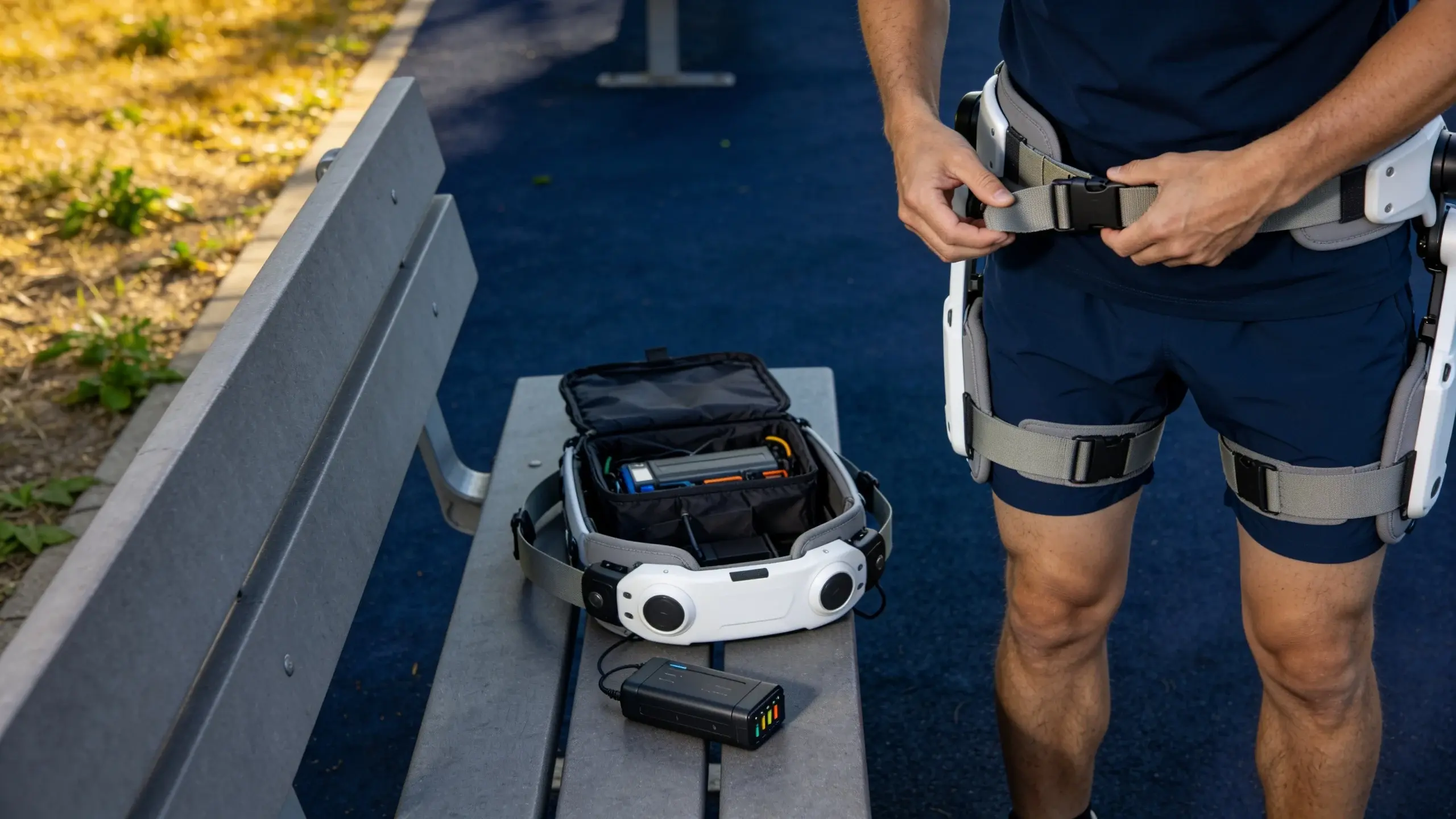
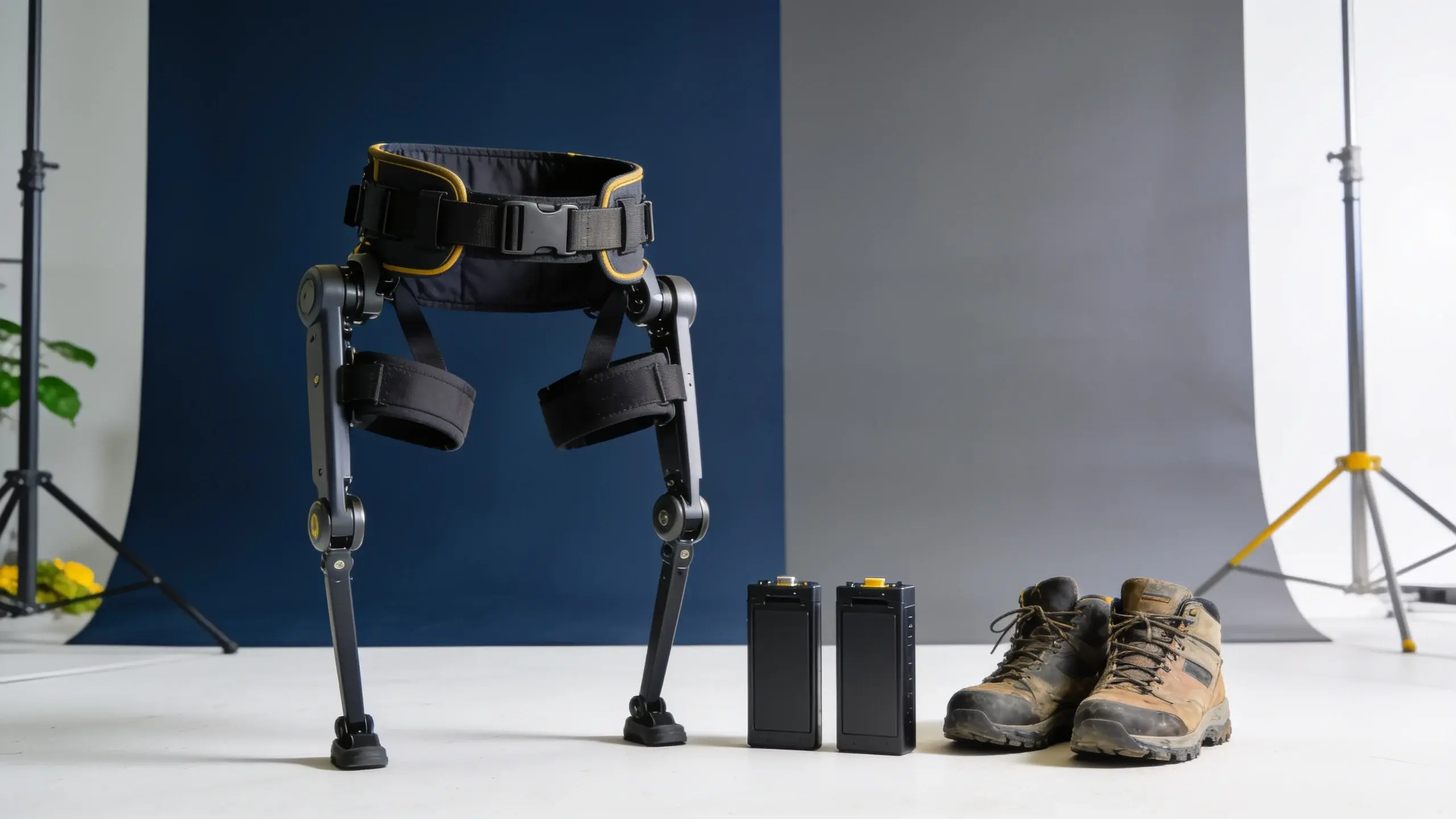
Battery bundles are the clearest example. A higher-priced model may include two batteries and a charging hub, while a lower-priced variant includes one battery and a single charger. That difference can change both the stated maximum range and the cost of building an equivalent travel setup. Compare the equipment delivered in the box before treating the price gap as a pure hardware premium.
Weight requires the same discipline. Hypershell publishes a wearing-weight basis for its current S-series records, while DNSYS labels the X1 figures as mechanical-parts weight and the Z1 as mass per leg. Those numbers describe different measurement boundaries. ExoRank leaves the labels visible because converting them into one apparently precise comparison would misrepresent the complete worn configuration.
A practical total-cost framework
For a direct purchase, start with the checkout amount and add only costs supported for the same market: tax, shipping, duties, required fit accessories, an additional battery if the route demands it and any paid setup or service. Then record the return window and warranty separately. They are not line-item costs on day one, but they determine how much financial risk remains if fit, support or reliability does not match expectations.
| Layer | Include | Keep separate |
|---|---|---|
| Initial basket | Exact model, included batteries, charger and required straps | Optional lifestyle accessories |
| Landed cost | Tax, shipping and duties for the destination | A price from another regional storefront |
| Operating setup | Replacement battery or mandatory service with a verified price | Speculative future repair costs |
| Risk terms | Return period, restocking conditions and warranty duration | Unverified assumptions about support quality |
This framework deliberately avoids publishing a universal annual ownership number. Battery longevity, repair frequency, firmware support and use intensity are not documented consistently enough across the category. A transparent partial calculation is more useful than a complete-looking total assembled from assumptions.
Consumer, industrial and medical pricing
Retail consumer products are the only group that currently supports a coherent public price table. Industrial systems may be sold through quotations, pilots, distributor packages or employer programs that include assessment and integration. A missing public price in that segment means the acquisition path differs; it does not mean the equipment is free or unavailable.
Medical exoskeleton access is more dependent on the exact indication, provider, training pathway, payer and jurisdiction. A public cash figure, when one exists, cannot answer whether a particular person can obtain or safely use the device. ExoRank therefore keeps medical profiles and regulator records outside the consumer price ranking.
How ExoRank maintains the tracker
Each row comes from an official commercial page and is tied to an exact market and verification date. The weekly check looks for changes in amount, stock state, included battery count and destination availability. A changed price updates the product record and the tracker; an unchanged check does not rewrite the editorial verdict or imply that the product was re-evaluated in every other respect.
Preorder and reservation products remain in a separate group until a current-buy pathway exists. If a storefront becomes inaccessible or a variant cannot be resolved, the previous amount remains only as a dated historical record and current Offer schema is removed. This prevents an old price from being presented to search engines as a fresh offer.
Use price to narrow the shortlist, not finish the decision
A lower price is valuable when the device assists the right joint, fits the intended wearer, covers the route and has acceptable ownership terms. If those conditions are unresolved, the price is simply the cost of entering an uncertain decision. After identifying the affordable models, compare fit, total wearing configuration, range basis, return terms and regional support on their exact product profiles.
Sources
- Hypershell new X Series official storefront
- DNSYS X1 official model and price table
- DNSYS Z1 official model and price table
- Skip × Arc'teryx MO/GO official reservation page
- FDA 510(k) record: ReWalk P6.0
Key facts
- Current consumer prices are tracked by exact model rather than by brand family.
- Launch, crowdfunding, sale and normal retail prices are different commercial states.
- Battery count and weight basis must stay beside every price comparison.
- Industrial and medical procurement cannot be reduced to consumer retail price lists.
- Every ExoRank price row records its market, source and verification date.
Frequently asked questions
How much does a consumer exoskeleton cost?
ExoRank's current direct-buy US-dollar records span roughly $689 to $1,999. The relevant amount depends on the exact model, battery bundle, market and date; preorder products are tracked separately.
Why are medical exoskeletons so expensive?
Medical devices can involve regulated design, clinical use, training, service and institutional acquisition. Costs vary by exact device and pathway, so a generic cash price cannot answer patient access.
Should I buy an exoskeleton through crowdfunding?
Crowdfunding can add delivery, specification and support uncertainty. Treat a campaign as a different risk category from an in-stock retail offer and verify the platform terms independently.
Does the cheapest exoskeleton offer the best value?
Not necessarily. Fit, supported movement, battery configuration, return policy and evidence completeness can matter more than the lowest headline price.